
Answers
Plumbing Questions in Desert Hot Springs, CA: Short Answers Before You Call
Short answers to the questions callers ask most, from what to do in the first minutes to who pays for the sewer lateral. Call Desert Hot Springs CA Expert Plumbers if yours is not here.
Start here: three questions most callers ask first
Most calls begin with the same three worries: what to do right now, who to trust and what it will cost. The short answers are below, and the rest of this page covers each topic in turn.
- Water is running where it should not be: close the main valve and read the emergency steps below.
- You are choosing a plumber: check the license number before work starts, as explained below.
- You want a price: see typical price ranges for local jobs, and ask for a written estimate.
First steps in an emergency
What should I do right away in a plumbing emergency in Desert Hot Springs?
Close the main water valve, usually at the meter, at the front of the house or beside the water heater. Stop using drains if one is backing up, photograph the damage and keep clear of standing water near outlets. Then call and say what the water is doing and where.
What should I do if I smell gas?
Leave the house at once and do not flip switches or use a lighter. Call 911 from outside, and do not go back in until you are told it is safe. A gas leak is not a repair to start before the house is clear.
What should I do first when water floods my home?
Stay out of standing water if any outlet or appliance may be live, and shut the main water valve if you can reach it safely. Photograph everything before you move it, then call for removal and drying. how removal and drying works explains what happens next.
What happens when I call, and who answers?
You reach us on the number at the top of the page, and the person who answers asks for your street address, what is happening and whether the water is off. We confirm that your address is somewhere we can reach before booking anything. We do not promise an arrival time on the phone.
Plumbing questions that start with the water itself
Water in this area comes from Mission Springs Water District wells in the Mission Creek Subbasin, and its published water quality report gives the numbers. The questions below start from that report and not from a guess.
Hard water, heaters and softeners
Does Desert Hot Springs have hard water, and do I need a softener?
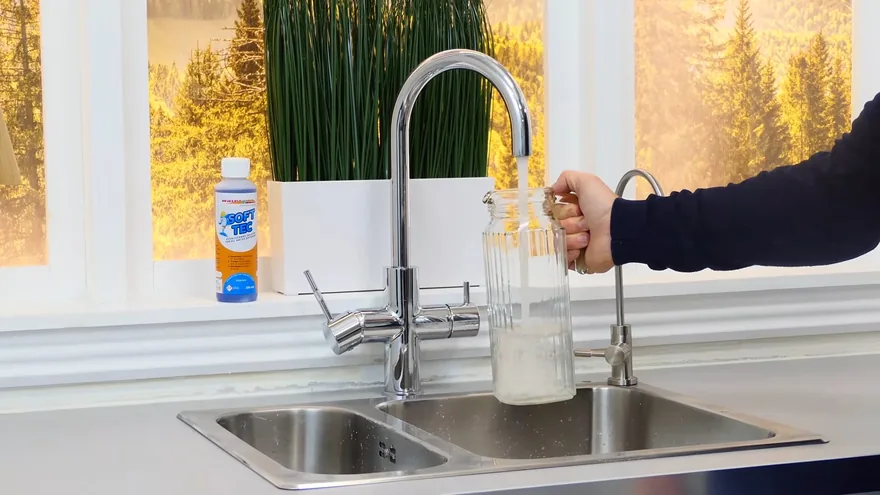
The district's published report lists total hardness from 79 to 340 milligrams per liter, roughly 5 to 20 grains per gallon, depending on the source. Whether you need a softener depends on your address and how much scale you see. See whether a softener is the right fix before you buy one.
Does Desert Hot Springs tap water come from the hot springs?
No. Mission Springs Water District says it does not draw water from the hot water aquifer. The resort spas use their own wells, and your tap water comes from the district's cold-water wells.
How hard is the water, and what does it do to a water heater?
Hard water leaves scale on heating elements and inside the tank, which can shorten a heater's life and make it noisy or slow to heat. How fast that happens depends on how hard your supply is and how often the tank is flushed.
Softener, filter or reverse osmosis: which fits my water?
A softener treats hardness and scale. A filter treats taste, odor or sediment, and reverse osmosis treats drinking water at one tap. Read what filters do and do not remove before deciding, and ask for a lab test if you have a specific worry.
Water heaters
How long do water heaters last in Desert Hot Springs?
A tank heater commonly lasts about 8 to 12 years and a tankless unit longer with regular descaling, but those are general trade ranges and not a local measurement. Hard water can shorten both. Rust in the hot water or a rumbling tank is a warning sign.
Why is there water on the floor around my water heater?
A leak at a fitting or a relief valve can be fixed, but a leak from the tank body usually means the tank has failed. Turn off the heater and the water supply to it, then call. what a leak at the heater means explains the difference.
Should I flush or descale my tankless water heater?
Most makers call for periodic descaling, and hard water makes it more important. An error code or lukewarm output can be scale. See tankless descaling and service for what the visit covers.
Do I have to strap my water heater?
Yes. California Health and Safety Code section 19211 requires residential water heaters to be braced, anchored or strapped. A plumber replacing a heater should do this as part of the job.
Which office issues building permits in Desert Hot Springs and nearby places?
In Desert Hot Springs, the City's Building and Safety Division handles permit issuance and plan review, at (760) 329-6411. Palm Springs and Cathedral City each have their own building departments, and Sky Valley and Desert Edge are unincorporated, so Riverside County Building and Safety, at (951) 955-1800, is the office there.
Hidden leaks and slab leaks
How can I tell if a high water bill is a leak?
Turn off every tap and appliance, then watch the meter for a few minutes. A dial that keeps moving means water is going somewhere. The check shows that a leak exists, not where it is. how a hidden leak is located covers that.
What are the signs of a hidden slab leak?
A warm spot on the floor, the sound of running water with everything off, a damp patch or a bill that climbs for no reason can all point to one. None of these proves it, so the leak has to be located before anything is opened. See slab leak signs and repair options.
How do I know if the leak is under my slab or in the yard line?
Close the main valve at the house and watch the meter. If it still moves, the leak is on the line between the meter and the house, and if it stops, the leak is inside. Locating it exactly takes equipment.
How do I know it is time to repipe instead of repairing another leak?
A second or third leak on the same run, falling pressure or discolored water can mean the pipe is wearing out. Ask for the repair and the repipe priced side by side. when replacing the lines beats another repair has the questions to ask.
Drains, sewer lines and who is responsible
Mission Springs Water District runs the sewer system as well as the water, so many drain questions here are really district questions. The answers below say what we know and where to call.
Drains and sewer
How often should drains be professionally cleaned or jetted?
There is no fixed schedule. Clean a drain when it slows, and ask for a camera look if the same drain clogs more than twice in a year. what to ask when a drain keeps clogging covers the cause.
Is hydro jetting better than snaking my main drain?
Snaking opens a channel through a clog. Jetting scours the pipe wall, which helps with grease and scale. The right choice depends on what a camera shows, and when jetting is the better choice lays out the trade-offs.
What does a sewer camera inspection show, and when do I need one?
It shows cracks, roots, sags and breaks inside the line, and you should get one after repeated backups or before buying a home. Ask to keep the recording. camera inspection and sewer repair explains what happens next.
When is trenchless pipe lining better than digging up a sewer line?
Lining suits a line that is cracked or root-filled but still in one piece, and it avoids digging up a driveway or yard. A collapsed or badly sagging line may still need excavation. lining versus digging compares the two.
Is my home on sewer or septic, and who do I call?
Your sewer bill or property records will say. If you are not sure, call Mission Springs Water District at (760) 329-6448. This site covers drains and sewer lines, not septic tanks or leach fields.
Who pays for the sewer lateral to my house?
Under the district's rules, the owner maintains the building sewer, meaning the pipe from the house to the public sewer. Where exactly the owner's part ends is something to confirm with the district.
What do I need before connecting to the sewer or abandoning a septic tank?
The district's rules call for a written application, a sewer opening permit from the City or the County, an inspection and a state-licensed contractor. Call the district before you start, because the steps and fees can change.
Can the water district make me connect to the sewer?
The district's rules say an owner must connect within a notice period when a sewer is within 100 feet. Confirm the current practice for your parcel with the district before you decide.
Licenses, permits and safety
How do I check that a plumber is licensed in California?
Look up the contractor's license number on the Contractors State License Board's online lookup and check that the classification is C-36 for plumbing. Unlicensed work is limited to jobs under $1,000 with no hired workers and no permit needed, as of January 2025.
Do I need to call 811 before digging for a sewer or water line?
Yes. Call 811 at least two working days before you dig so that buried utilities are marked. A plumber who digs should do this, and you should ask whether it has been done.
Does homeowners insurance cover water damage or flash flooding?
Coverage depends on your policy and the cause. Standard policies exclude flood, and sudden leaks are treated differently from slow ones. Document the damage, stop the water, keep receipts and ask your insurer before you sign anything.
I rent my home: do I call the landlord or a plumber?
Call your landlord first, because the lease and the law usually decide who arranges repairs. If you cannot reach them and water is running, close the valve and photograph the damage. This is general guidance and not legal advice.
Fixtures and water damage
Why does my toilet run on its own?
A worn flapper or a misadjusted fill valve is the usual cause, and water slips into the bowl or the overflow without anyone flushing. Put food coloring in the tank and wait. See fixing a toilet that runs.
How fast does wet material need to dry?
FEMA guidance is to dry wet materials within 24 to 48 hours to limit mold growth. Thicker materials such as carpet pad and drywall may need to be removed. A professional measures moisture before deciding.
What do Category 1, 2 and 3 water mean?
Category 1 comes from a clean source, category 2 from a used one such as a washing machine, and category 3 from sewage or floodwater. The category changes what can be saved, and a professional assigns it on site.
Question not answered here? Call and ask
Tell us what is happening and what you want to know, and we will say what we can do.