
Water damage
Water Damage Restoration in Desert Hot Springs, CA: Getting the Water Out Before It Settles In
Every hour that water sits makes the damage harder to reverse. Call (888) 681-3447 and tell us what got wet; below is what to do first and what removal and drying involve.
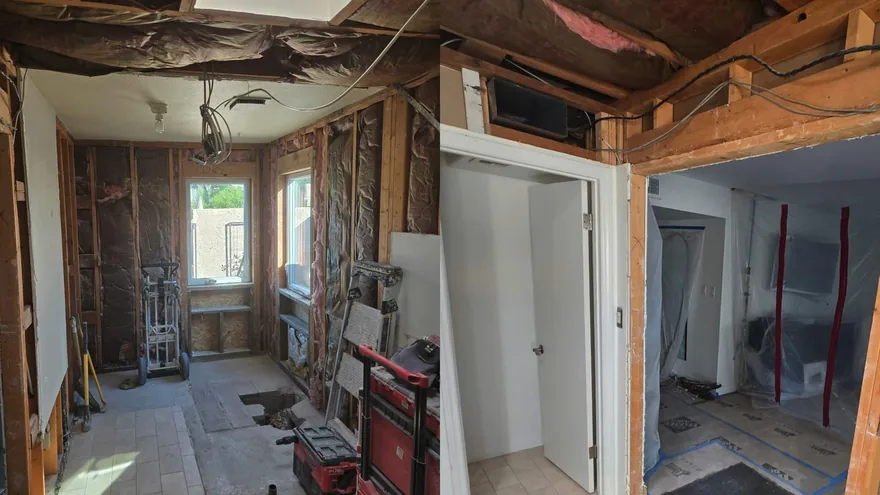
The first hour after water gets in
Water damage gets worse on a clock, so the first hour is about stopping more water and keeping people safe. Work through these in order, and call as soon as you are safe.
- Stop the source if you can: close the main water valve for a plumbing leak, or stop using water if sewage is involved.
- Stay clear of standing water near outlets, appliances or the electrical panel. Switch off power only if you can reach the switch without standing in water.
- If the water is dirty, has an odor or came from a drain, treat it as sewage and stay out of it.
- Photograph the water, the damage and the source before anything is moved.
- Lift what you safely can: rugs, boxes, electronics and furniture legs off wet floors.
- Call your insurer and call us, and describe what the water touched and how long it has been there.
If you smell gas at any point, leave the home and call 911 or your gas utility from outside.
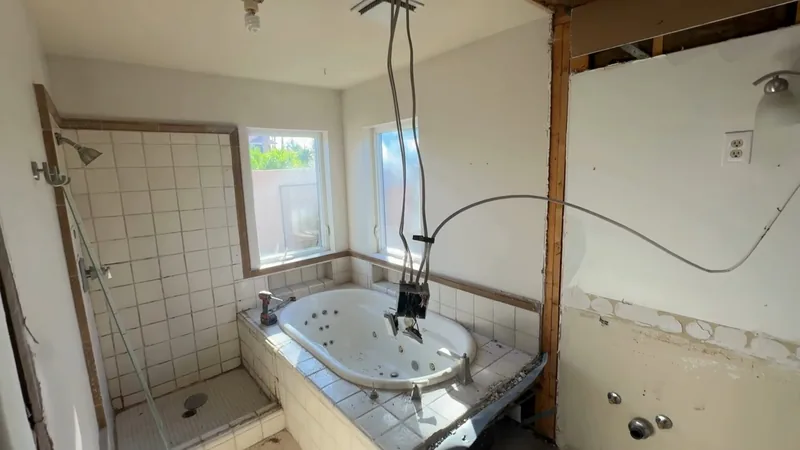
What this service covers, and what it does not
This service is water removal and drying: getting the water out, pulling out what cannot be saved and drying the rest so that the structure stays sound. It is the cleanup side of a water loss.
| This service covers | This service does not cover |
|---|---|
| Extracting standing water | Rebuilding walls, floors or ceilings |
| Removing wet materials that cannot be dried | Finding the cause of a slow leak. See leak detection |
| Drying the structure with fans and dehumidifiers | The plumbing repair that stops the leak |
| Moisture checks to confirm things are dry | Mold testing or remediation, which a separate specialist handles |
The repair that stops the water belongs to a plumber. If the water came from a pipe, fixing the broken pipe covers that step, and finding a slow leak covers a leak you cannot see.
Why the first 24 to 48 hours matter
FEMA's flood cleanup guidance advises drying everything as quickly as possible, within 24 to 48 hours if you can, and discarding items that cannot be dried in that window. After that, materials that stayed wet become much harder to save.
A university guideline that draws on the industry's S500 standard puts it in practical terms: carpet that stays wet beyond 48 hours may not be dryable, and drywall where drying has not started within 48 hours should be replaced. Treat these as reasons to call quickly and not as promises about your particular house.
Use fans and dehumidifiers only when the electricity is safe to use. If you are unsure, wait for us to assess it.
Clean water, gray water and sewage
Not all water is the same, and how dirty it is changes what can be saved. The industry sorts water into three categories, and a professional should classify yours.
| Category | Source examples | What it means |
|---|---|---|
| 1: clean | A broken supply line, a leaking faucet, a tank overflow | Not harmful at first, but it gets worse the longer it sits |
| 2: gray | A washing machine or dishwasher overflow | Contains contamination that can make people ill |
| 3: black | Sewage, or rising flood or stream water | Grossly unsanitary, and porous materials are usually removed |
Category 2 water left for more than 48 hours can become Category 3. Keep children and pets out, wear gloves, a mask and goggles if you have to enter, and do not take part in cleanup of sewage yourself.
Water in the house and the clock running?
Tell us where the water came from, what it touched and how long it has been there, and we will say what happens first.
Carpet, hardwood and padding: dry in place or remove
Carpet and its pad hold water like a sponge. Clean water on carpet caught within a day or two can often be extracted and dried. Water that is dirty, or that has sat longer, usually means the pad is removed, and sometimes the carpet as well.
Hardwood and wood flooring is slower to show damage. Boards can cup, buckle or stain as moisture works in from below. Ask how wood floors will be dried, and be ready for a decision about what can be saved. Drying a wood floor too quickly can crack it, so the pace matters.
Ceilings and walls
A wet ceiling or wall may be hiding more water than shows. Drywall wicks moisture upward, and insulation holds it. A stain is often the visible edge of a larger wet area.
- A ceiling that sags or bulges holds water and can fall. Keep out from under it.
- Wet insulation usually has to come out, since it does not dry well in place.
- Wall cavities may need small openings so that air can reach the inside.
- Moisture readings, taken before and after, show whether the wall is dry.
Water running through a ceiling often has a source above it: a bathroom, a water heater or a roof. Ask the plumber to look there before the cleanup begins.
Storm water and flash flooding
Desert storms can put a lot of water on the ground at once. Tropical Storm Hilary in August 2023 closed several City roads at washes, and a Christmas Eve storm in 2025 closed some of the same crossings. Those closures were road damage, and they say nothing about homes, but they show how fast water can move through the area.
Water that comes in from outside is usually Category 3, since it carries soil and runoff. California's Department of Insurance notes that standard homeowners policies typically exclude flood, and that flood coverage is separate and usually has a waiting period. Check your policy and call your insurer promptly.
Sewage backup: why it is handled differently
Sewage in a house is a health hazard, and cleanup follows stricter steps. Porous materials that sewage touched, such as carpet, pad and drywall, are usually removed and not dried, and hard surfaces are cleaned and disinfected.
If sewage came from a backed-up main line, the plumbing problem has to be solved or the cleanup will be undone. See stopping a sewer backup for how that is traced.
Commercial water damage
A shop, restaurant or office has a lot to protect: stock, equipment, records and the ability to open the next day. Tell us what the water reached, whether power is on and whether the business can stay open.
Ask how drying will be sequenced so that part of the space can reopen, and who documents the loss for your insurer. Photographs, a moisture log and a list of what was removed are the basics of a claim.
Insurance, documentation and what to keep
The California Department of Insurance advises homeowners to protect property from further damage, to photograph what is damaged and to keep receipts for emergency steps. It also warns that a policy may not cover damage that reasonable steps could have prevented, so do not wait.
- Photograph everything before it is moved or discarded.
- Keep a list of damaged items, and keep damaged items until the adjuster has seen them if you can.
- Keep receipts for emergency repairs and materials.
- Ask us for a written scope of what was removed and dried, with moisture readings.
Nobody on this site can tell you what your policy covers. Call your insurer early and ask what they need.
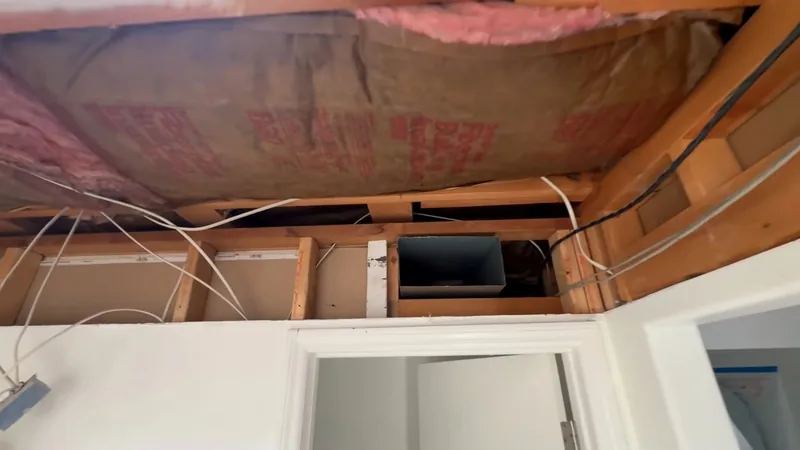
Questions to ask a water damage company
A short list will sort a careful company from a rushed one:
- How will you decide what can be dried and what has to be removed?
- How will you measure that things are dry, and will I see the readings?
- How long will the equipment run, and who removes it?
- How do you document the work for my insurer?
- License details are available on request before work begins; can I have yours?
Be wary of any company that asks for full payment before it begins, or that gives a firm drying time without looking at the water first.
Water damage questions, answered
How fast should water damage be dried?
As quickly as possible. FEMA's guidance is within 24 to 48 hours if you can, and discarding items that cannot be dried in that window. Call as soon as you have made the situation safe.
Does this service include mold remediation?
No. This service is water removal and drying. If you see or smell mold, tell us. Testing and remediation are handled by a separate specialist.
Water in your Desert Hot Springs home? Call now
Tell us where the water came from, what it touched and how long it has been there, and we will say what happens first.