
Sewer and drains
Sewer Line Repair in Desert Hot Springs, CA: Backups, Cameras and Who Owns the Pipe
Sewage at a drain is a health issue and a plumbing one. Stop using water, then call Desert Hot Springs CA Expert Plumbers; below is what a camera inspection shows, who owns the line and how repairs are chosen.
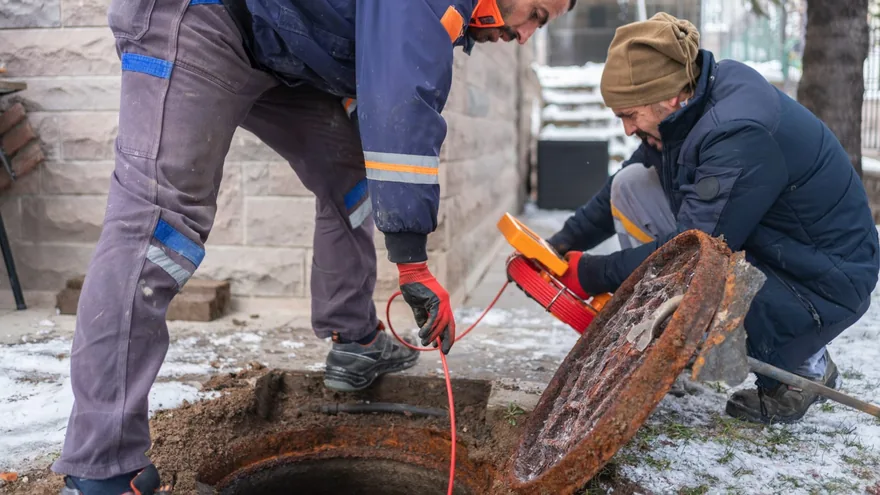
Sewage backing up: what to do in the first hour
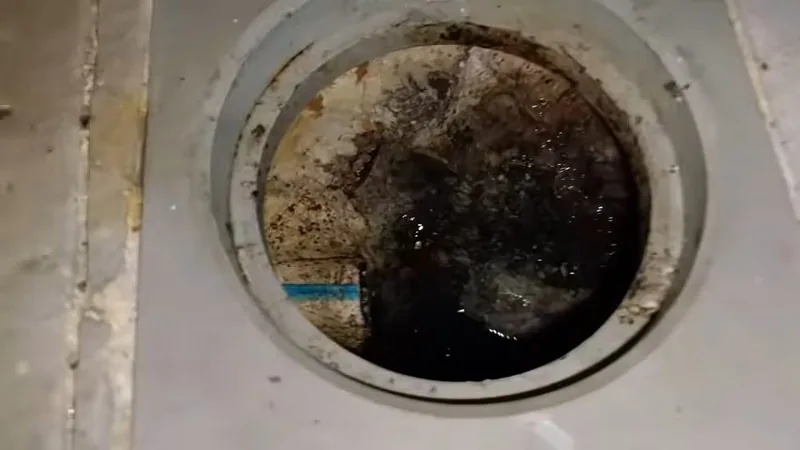
When sewage comes up through a floor drain, a tub or a toilet, the main line is usually blocked or broken. This is a health risk as well as a plumbing problem, so the first steps are about keeping people and belongings out of it.
- Stop using water in the house: no flushing, laundry, dishwasher or showers.
- Keep children and pets away from the affected area.
- Do not pour chemical cleaners down the drain. They rarely clear a main line and they are hazardous for the person who then works on it.
- Photograph the backup and note which fixtures it came from first.
- Call a plumber and say that the backup is at the lowest drains, if it is.
A backup at the lowest drain in the house is typical of a blocked main line, because the water rises where it can. Backup at one fixture only usually means a local clog, which is covered under clearing a single clogged drain.
Who owns the sewer line, and who pays for it
Mission Springs Water District runs the sewer system in Desert Hot Springs, and its Title 6 rules define the building sewer as the pipe from your building drain to the public sewer, including the lateral and the cleanout. The same rules say the owner bears the burden and the expense of maintaining and repairing it.
In practice, a blockage or break between your house and the public main is usually yours to fix. Before paying for repeated clearing, call MSWD at (760) 329-6448 and ask whether the problem could be in the public main. If it is, the district handles it.
If you rent, tell your landlord first. The owner is responsible for the building sewer, and a record of when you reported it protects you.
Sewer or septic: check this before any work
Many parcels in the city are on septic, not sewer. MSWD has a septic to sewer project under review that covers about 2,600 parcels, and the rules require an owner to connect within 90 days of notice when a sewer main is within 100 feet. Status can change, so check with the district before you assume either.
This page is about sewer lines. If your home is on septic, say so when you call, because the work and the questions are different and this site does not cover septic service.
Backup, gurgle or a lateral that keeps failing?
Tell us which fixtures back up first and whether you are on sewer or septic, and we will say what the visit should cover.
Camera inspection: what the footage should show
A sewer video camera inspection is the step that turns a guess into a diagnosis. A small camera on a flexible cable travels down the line and records video of what is there, so that the repair decision rests on evidence.
| What the camera finds | What it usually means |
|---|---|
| Roots entering at joints | A joint has opened and roots are following the water in |
| A sag or belly that holds water | The pipe has settled, and waste collects in the low spot |
| A crack or break | Soil may be entering the pipe, and repair is likely needed |
| An offset joint | Two lengths have shifted and no longer line up |
| Scale or corrosion on the pipe wall | The pipe is deteriorating, and cleaning alone may not last |
| A clean, intact line with a blockage | The clog is local, and clearing may be all that is needed |
Ask to watch the monitor and to receive the recording. Ask the plumber to note the distance to each problem and, if the tool allows, the depth. Those numbers decide whether a spot repair, a liner or a replacement makes sense.
A camera pass before a repair, and again after, shows that the work did what was promised.
Main line cleaning, and when it is not enough
Cleaning a main line means cutting through roots or buildup with a cable machine, or flushing with a high-pressure water jet. A cable cuts a hole through a blockage. Jetting scours the pipe wall, which helps with grease and scale; see jetting a main line for how it compares.
Cleaning is a fix for a blockage. It is not a fix for a damaged pipe. If the line has been cleared twice in a year, ask for a camera inspection before a third visit, because the cause may be a break or a belly that no cleaning will cure.
Repair or replace: the choices once the cause is known
Once the camera shows the problem, the options narrow to a few. A good plumber explains the one they recommend and the alternatives they considered.
| Option | Fits | Worth asking |
|---|---|---|
| Spot repair | One localized break or offset in an otherwise sound line | How far the plumber has checked beyond the damaged spot |
| Partial replacement | A bad section, with the rest in good shape | Where the new section connects and how it is joined |
| Full replacement | A line that is failing along its length | Whether the line will be dug or replaced without a trench |
| Relining | A line that is intact enough to hold a liner | What the camera showed and whether cleaning comes first |
The no-dig options are explained at trenchless sewer repair. Which one fits depends on what the camera finds, not on which is cheaper to quote.
Before anyone digs: 811, sewer permits and inspection
Digging near buried utilities needs a call to 811 at least two working days ahead. Contractors must have the ticket number before excavating, and an excavation permit is not valid without it.
For new lateral connections, MSWD requires a written application, a sewer opening permit from the City of Desert Hot Springs or Riverside County, and a district inspection. Building permits in Desert Hot Springs are issued by the City's Building and Safety Division, (760) 329-6411.
Ask for license details before work begins. If the job needs a permit or workers, state law requires a license regardless of price. You can check a contractor on the CSLB license lookup.
Commercial and shared sewer lines
A shop, restaurant or small apartment building has more at stake in a blocked line. Waste volume is higher, grease is a common culprit and a backup can close the business. If the line serves several units, ask the plumber to trace which units feed it and where the cleanouts are.
Ask whether the plumber can schedule work outside business hours, and whether a grease interceptor or sampling point is on the line. A written plan for cleaning at regular intervals can prevent a repeat of the emergency.
Questions to ask before you agree to a sewer repair
Sewer work is disruptive and expensive, so it pays to have a short list ready:
- Can I see the camera footage, with the distance to each problem?
- Is the repair a spot fix, a partial replacement, a liner or a full replacement, and why?
- Who places the 811 ticket?
- What will be dug up, and how will the surface be restored?
- How long will the line be out of service?
- License details are available on request before work begins; can I have yours?
Sewer line repair questions, answered
Who is responsible for the sewer line on my property?
Mission Springs Water District's Title 6 treats the building sewer, from your building drain to the public sewer including the lateral and cleanout, as the owner's to maintain and repair. If you are unsure where the problem sits, call the district at (760) 329-6448.
Do I need a camera inspection before a sewer repair?
It is the best way to know what you are repairing. The camera shows the cause, the location and the condition of the rest of the line, so the plan fits the problem. Ask for the recording.
Sewer backing up in Desert Hot Springs? Stop the water and call
Tell us which drains back up first and whether you are on sewer or septic, and we will say what the visit should cover.