
Leaks and pipes
Whole-House Repiping in Desert Hot Springs, CA: When One More Leak Repair Stops Making Sense
Pinhole leaks, brown water or pressure that fades across the house can mean the supply lines are wearing out. Call Desert Hot Springs CA Expert Plumbers and describe the pattern; the sections below show when a repipe beats another patch and what to ask before walls open.
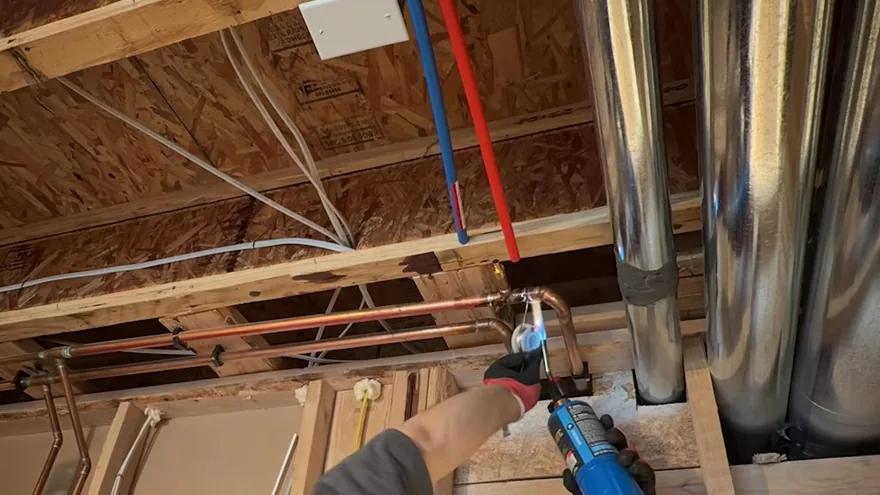
How many leaks is too many?
One leak in an otherwise sound pipe is a repair. A second or third leak in different spots over a short time, in the same pipe material, says the pipe is failing as a system, and each repair risks the next joint.
| What you are seeing | What it suggests | Next step |
|---|---|---|
| One leak, and the house is otherwise fine | An isolated failure | Find the leak and repair it |
| Two or more leaks in separate places | The material is wearing out | Ask for a repipe estimate beside the repair quote |
| Rusty or brown water, weak pressure at several fixtures | Corrosion or scale narrowing the lines | Have the plumber test pressure and identify the pipe material |
A single break is the work behind fixing a broken pipe, and tracking down one hidden leak comes first when the source is unknown. A repipe replaces the supply lines through the whole house, so it only makes sense when the pattern points to the system.
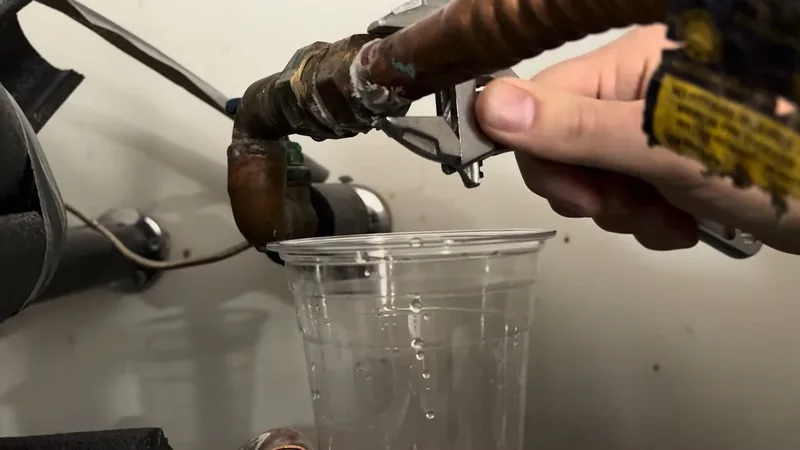
Supply pipe material and Desert Hot Springs housing age
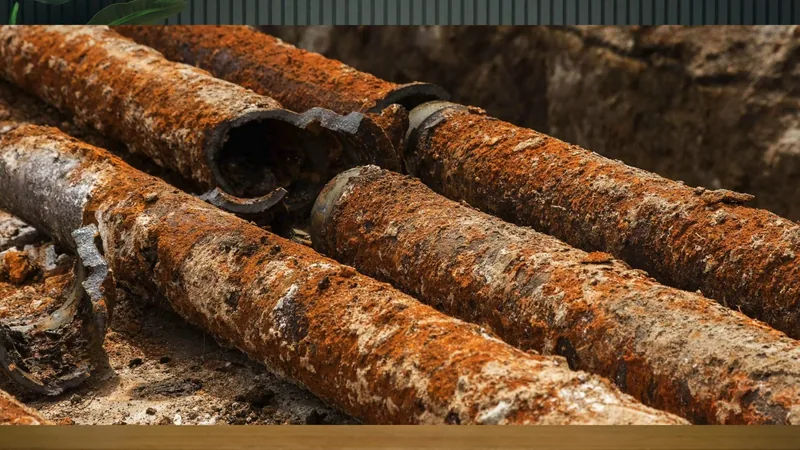
Supply pipe material depends on when a home was built and what has been replaced since. In Desert Hot Springs, 52 percent of housing was built before 1990 and 20 percent before 1970, according to American Community Survey figures quoted in the City's housing element draft. Those numbers do not say what pipe any given home has.
So ask. A plumber can look at exposed lines in the garage, under sinks and at the water heater to identify copper, galvanized steel, plastic or a mix, and can tell you what condition each is in. Ask for photos of what they find, because that is the evidence behind a repipe recommendation.
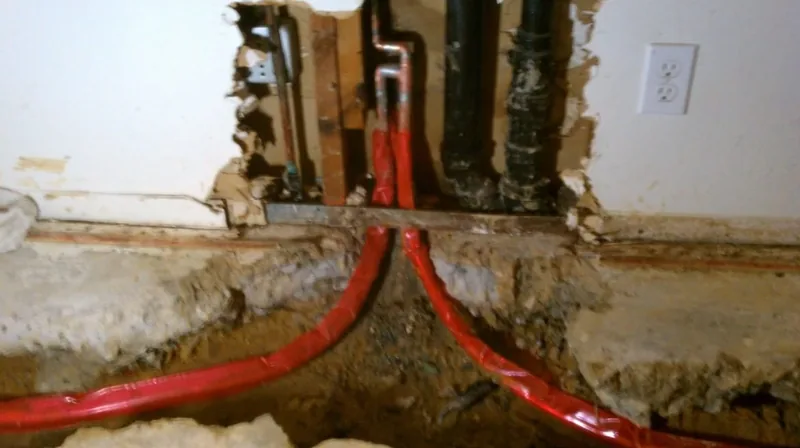
PEX or copper: how the two compare for a repipe
| PEX | Copper | |
|---|---|---|
| Installation | Flexible, so it routes around obstacles with fewer joints | Rigid, so it takes more joints and more wall access |
| Inside the pipe | Plastic does not corrode | Long record of service, but can develop pinholes in some water |
| Working in finished walls | Easier to fish through existing framing | Harder, and often means more opened wall |
Neither is right for every home. Ask which one the plumber recommends for yours and why, and whether the City or your insurer has a preference.
New supply lines do not change the water that runs through them. Mission Springs Water District's 2025 report lists hardness from 79 to 340 mg/L, so the water heater and fixtures still collect scale, and a home softening system belongs in the same conversation.
Counting leaks and wondering about a repipe?
Tell us how many leaks you have had, where, and what the pipes are made of if you know, and we will talk through whether a repipe estimate makes sense.
What a repipe looks like in a house you live in
A repipe replaces the supply lines to every fixture. Water is off for part of each work day, access openings are cut into walls and ceilings, and patching follows. Ask how the job is staged, which fixtures stay usable and how long the house is without water on the longest day. Ask, too, how the new lines are tested and who signs off, since a repipe that is closed up before testing is hard to correct.
Ask before you agree:
- Where the access openings go, and who patches and paints them.
- How the new lines are pressure tested before the walls are closed.
- Whether the water heater connections and shutoff valves are replaced too.
Repipe quotes depend on home size, pipe material, wall access and finish repair. What repipe quotes depend on is listed on the cost page, with wide ranges instead of exact prices.
Before you call: what to gather
A repipe recommendation is only as good as the information behind it. Pull together what you know, even if it is incomplete:
- The dates and locations of past leaks, and who repaired each one.
- Photos of any exposed pipe in the garage, under sinks or near the water heater.
- Notes on pressure and water color at different fixtures, and whether hot and cold behave differently.
- The age of the home and whether any part of it has been repiped before.
- Whether the home is owner-occupied, rented or in an HOA, since each changes who decides and who must approve.
Check your homeowners policy before work begins. Insurers treat sudden leaks and slow leaks differently, so ask how a leak history or a repipe affects your coverage. If you rent, a repipe is the property owner's decision, and sending the leak history to the owner in writing is the useful first step.
Plan for water use on work days as well. Fill a few containers before the water goes off, and ask which bathroom will stay usable the longest.
The license check and the permit office before the walls open
A repipe is not a small job. In California, work that involves hired workers or a building permit needs a licensed contractor, according to the Contractors State License Board. Ask for the license number and look it up with the board's Check a License tool; plumbing falls under the C-36 classification.
Building permits in Desert Hot Springs are issued by the City's Building and Safety Division, (760) 329-6411.
Repiping questions homeowners ask
Does a repipe fix low water pressure?
It can, when corroded or scaled supply lines are the cause. Low pressure also comes from a failing pressure regulator, a partly closed valve or a problem on the utility side. Ask the plumber to test pressure at a hose bib before recommending a repipe.
Can a repipe be done in stages?
Some plumbers will repipe a house zone by zone, which keeps part of it usable. It depends on access and on the plumber's schedule, so ask whether staging is possible and how it changes the quote.
Thinking about a repipe in Desert Hot Springs? Call to talk it through
Tell us about the leaks and the pipes, and we will say whether a repipe estimate is worth requesting.