
Fixtures
Toilet Repair in Desert Hot Springs, CA: Running Water, Wobbles and Stubborn Clogs
A toilet that runs, rocks or backs up is usually one worn part or one clog. Call Desert Hot Springs CA Expert Plumbers and describe what it is doing; below is how to tell which, and what a repair or install involves.
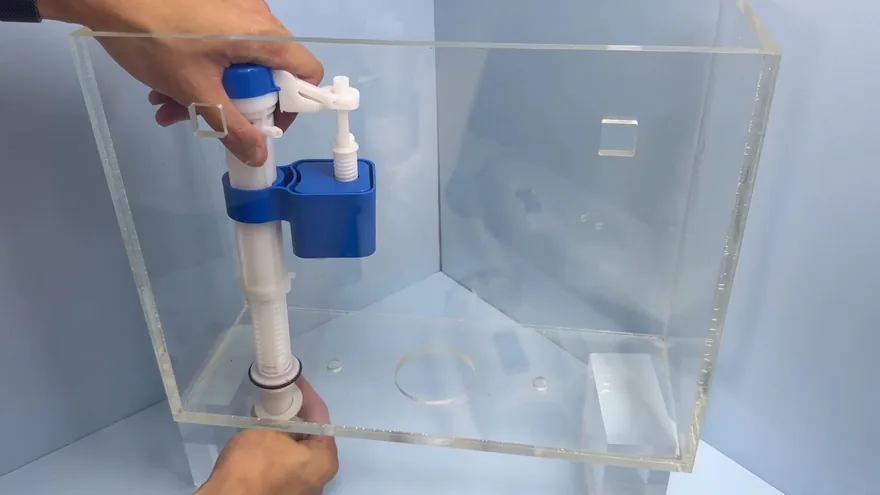
Is your toilet running when nobody used it?
A toilet that hisses, refills on its own or runs for a long time after a flush is losing water, and the loss shows up on the bill without any wet spot. It is one of the most common silent leaks in a house, and the test is easy.
- Remove the tank lid and put a few drops of food coloring in the tank.
- Do not flush. Wait 15 minutes.
- If color appears in the bowl, water is leaking past the flapper.
- Flush to clear the dye, and note the result for the plumber.
A flapper that no longer seals is the most common cause, and replacing it is a short job. If the dye test passes and the toilet still runs, the fill valve may be at fault. Ask the plumber to check both.
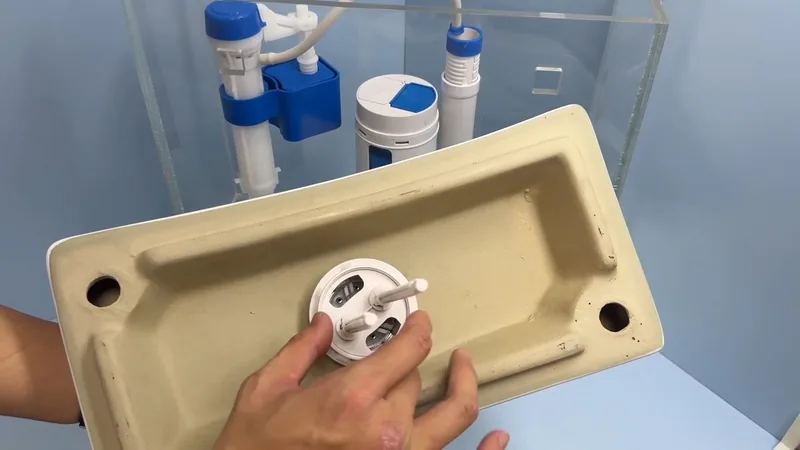
What the parts inside the tank do
Most toilet repairs involve a handful of parts, and knowing them helps you follow what the plumber says. The tank holds a set of simple mechanisms that fail in predictable ways.
| Part | What it does | When it fails |
|---|---|---|
| Flapper | Seals the tank bottom between flushes | Toilet runs, or refills on its own |
| Fill valve | Refills the tank after a flush | Hissing, slow refill or an overfilling tank |
| Flush handle and chain | Lifts the flapper when you flush | Weak flush or a handle that sticks |
| Overflow tube | Sends excess water to the bowl | Water spills over if the fill valve is set too high |
| Tank bolts and gasket | Hold the tank to the bowl and seal the joint | Water on the floor around the base of the tank |
Most of these parts are inexpensive and standard. A repair that replaces several worn parts at once often costs little more than replacing one.
Water on the floor around the toilet
A wet floor near a toilet has a few possible sources, and the location tells you which. Water at the base of the bowl may be a failed wax ring. Water under the tank may be a gasket or bolts. Water along a supply line is a connection or the line itself.
If the floor is wet, shut the valve behind the toilet, mop the water and watch where it comes back. A toilet that rocks is also a sign that the wax ring may be failing. Ask the plumber to check the floor for soft spots before reinstalling, since a slow leak can damage the subfloor.
Toilet running, rocking or leaking at the base?
Tell us what it is doing and where the water appears, and we will say what the visit should cover.
A clogged toilet: what to try first
A plunger solves most toilet clogs. Use a flange plunger that seals over the drain opening, make sure there is enough water to cover the cup and push and pull in steady strokes.
- Do not use chemical drain cleaners in a toilet. They rarely work and are dangerous to a person who then works on the bowl.
- A closet auger, made for toilets, reaches past the trap without scratching the bowl.
- Do not flush again while the bowl is full. It may overflow.
- If the water drains slowly after plunging, the clog may be farther down the line.
If other fixtures are also slow, or water backs up in a tub or floor drain when you flush, the problem is not the toilet. It is the main line, and a backed up main line needs a different approach.
Silent leaks and your water bill
A toilet that leaks silently can waste a lot of water over a month. If your bill is higher than usual and you cannot see why, check the toilets first with the dye test. If the toilets are fine, the next step is the meter.
The meter check described under finding where a leak is separates leaks inside the house from leaks outside it, and it works for every toilet at once.
Installing or replacing a toilet
Replacing a toilet is a common upgrade, and the details matter more than the fixture. A good install sets the toilet level on a sound flange with a new seal and checks the supply line and shutoff valve.
- The flange is intact, at the right height and secured to the floor.
- A new wax ring or equivalent seal is used, not the old one.
- The floor is checked for rot or soft spots before the new toilet goes down.
- The toilet is level, bolted evenly and tested with several flushes.
- The shutoff valve and supply line are replaced if worn.
Dual-flush toilets use less water on a light flush and take a little more fitting. Ask whether your sink-to-toilet layout suits the model you picked, and who removes the old one.
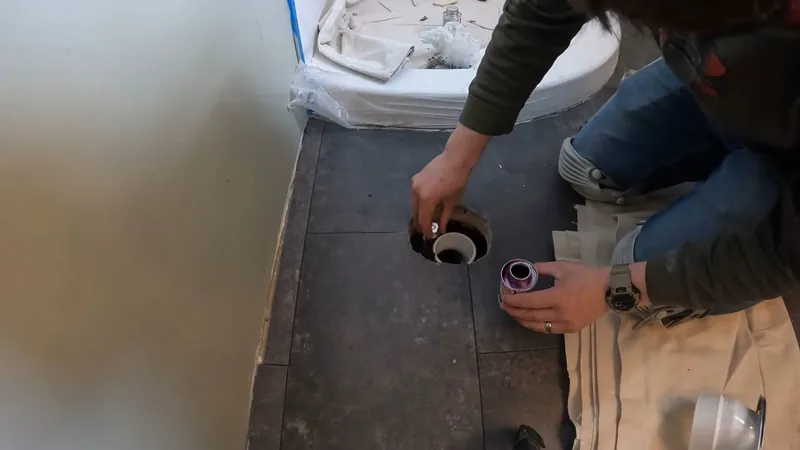
Moving a toilet: relocation questions
Moving a toilet means moving its drain, which is more than a swap. The floor or slab may need to be opened, and the new location has to connect to the drain line at the right slope. Ask the plumber how the drain will be run and what will be cut open.
Building permits in Desert Hot Springs are issued by the City's Building and Safety Division, (760) 329-6411. Ask how the finished floor will be repaired, since relocations often need patching.
Questions to ask before a toilet repair or install
These questions apply to repair and replacement alike:
- What failed, and which parts will you replace?
- Is the flange in good condition, and will you check the floor?
- Is repair or replacement the better choice for this toilet?
- What is itemized in the quote?
- License details are available on request before work begins; can I have yours?
A toilet that runs or leaks again after repair should be rechecked. Ask what the plumber does in that case before the work begins.
Toilet repair questions, answered
How do I know if my toilet is leaking?
Put a few drops of food coloring in the tank, do not flush and wait 15 minutes. If color shows in the bowl, water is leaking past the flapper. A toilet that hisses or refills on its own is also leaking.
What should I do if my toilet will not stop overflowing?
Lift the tank lid and push the flapper down, or close the shutoff valve behind the toilet. Do not flush again. Once the water stops, call a plumber if it keeps happening or if other drains are slow.
Toilet giving you trouble in Desert Hot Springs? Call to book a visit
Tell us what it is doing and where the water appears, and we will say what the visit should cover.