
Leaks and breaks
Slab Leak Repair in Desert Hot Springs, CA: Warm Floors, Running Sounds and Your Options
A warm patch on the floor, the sound of water with everything off or a meter that will not stop can point to a leak under the slab. Call Desert Hot Springs CA Expert Plumbers to talk it through; below is how it gets confirmed and fixed.
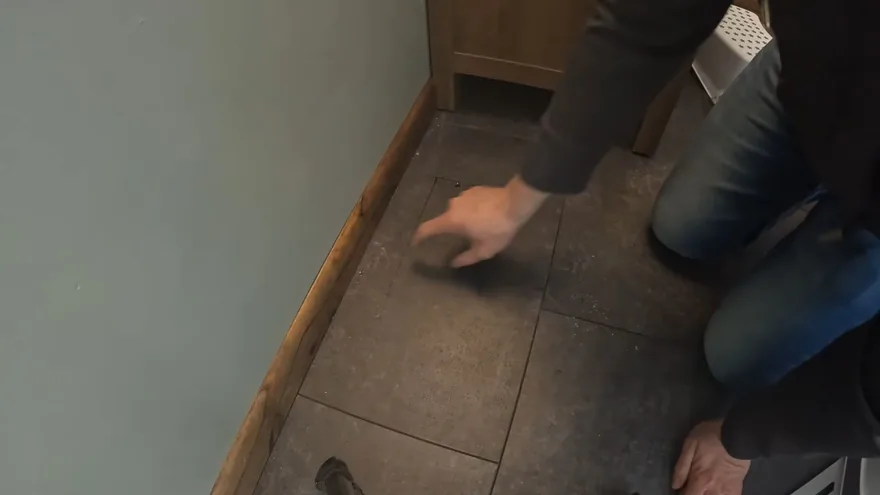
Signs the leak is under the floor
A slab leak is a break in a water line that runs beneath a concrete slab foundation. If your home is built on a slab, the lines are buried where you cannot see or reach them, so the signs show up elsewhere. Knowing them early limits what the water can undermine.
- A warm or hot spot on a floor, which can mean a hot water line is leaking under it.
- The sound of running water when every fixture is off.
- A water meter that moves with the whole house shut down.
- A damp patch, a lifted tile or a floor covering that feels wet.
- Low water pressure, or a water bill that climbs without a reason.
- A new crack in a wall or floor close to where the other signs appear.
If you are not sure whether your home sits on a slab, ask the plumber to confirm before any quote. Not every house has one, and the repair path depends on it.
Why water under a slab matters beyond the water bill
A leaking line under a slab keeps wetting the soil beneath it. Over time, soil that stays wet can soften, shift or wash out, and a slab that loses its support can crack or settle. That is the reason a slab leak is worth acting on early, and not one to monitor for months.
Water can also travel along the slab and show up far from the break. A damp floor in one room does not always mean the leak is in that room, which is why locating the break comes before any decision about repair.
Confirming it is a slab leak, and not something else
A good plumber will rule out the simpler causes first. A running toilet, a leaking fixture, an irrigation line or a leak in the wall can look like a slab leak from the meter alone. Confirming costs less than opening a floor on a guess.
| Step | What it tells you |
|---|---|
| Meter test with the main closed | Whether the leak is inside the house or on the line outside |
| Pressure test of each supply line | Which line, hot or cold, has the problem |
| Acoustic listening on the floor | The approximate location of the break |
| Thermal imaging | Warm paths where a hot line is leaking |
| Marking the path with the plan of the house | Where the line runs, so that access is limited to one spot |
Ask to see the readings and the marked location before any cutting. If the plumber cannot say how they know where the leak is, ask for a second opinion.
Warm floor, running sound or a meter that will not stop?
Describe what you found and where, and we will say whether it fits a slab leak and what the first visit should confirm.
Your repair options: spot repair, reroute or repipe
There are three common ways to deal with a leak under a slab. Each trades cost, mess and how long it lasts, and a fair quote explains why the plumber recommends one over the others.
| Option | How it works | Worth asking about |
|---|---|---|
| Spot repair | The slab is opened above the break and that section of pipe is replaced or repaired | How the floor will be repaired, and whether other lines nearby are in the same condition |
| Reroute | The leaking line is abandoned and a new one is run through walls or the attic | Where the new line will go, what is cut open, and how it is repaired |
| Repipe | Most or all lines are replaced, usually with new piping routed away from the slab | How many leaks you have had and whether the rest of the system is aging |
Rerouting avoids breaking the slab, and the no-dig methods behind some of it are explained on the no-dig pipe methods page. A repipe is the sensible step when leaks keep returning; see repiping services for how to judge that.
Post-tension slabs, hard soil and older slabs
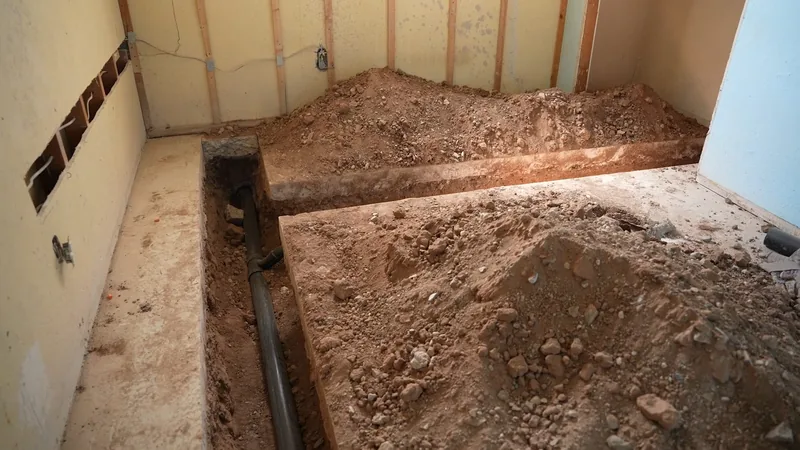
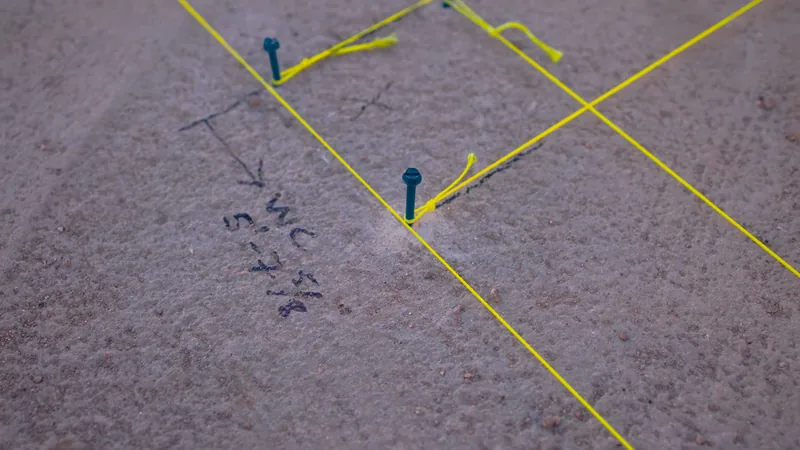
Some slabs are reinforced with steel cables under tension. Cutting or drilling into one without locating those cables is dangerous and can damage the slab. If your home might have this type of slab, ask the plumber whether they will scan the floor before any cutting and how they identify the cable locations.
Excavating near a slab can also run into hard, cemented soil layers that slow digging and add effort to a spot repair. Ask whether the plumber expects difficult digging at your address and how it would change the quote.
About half of the homes in the city were built before 1990, according to figures the City quoted in its housing element draft. For an older slab home, ask the plumber what material the lines under the floor are made of, and whether other lines are likely to follow.
Insurance, photos and records to keep
Many homeowner policies cover some of the damage from a sudden leak and treat the cost of finding the leak, or opening the floor, differently. Policies vary, and nobody on this site can tell you what yours covers. Call your insurer early, before work begins, and ask what they need.
The California Department of Insurance advises homeowners to protect property from further damage, photograph what is damaged and keep receipts. Ask the plumber for a written report of where the leak was and what was done. That report, with your photos, is the record an adjuster will ask for.
What to do while you wait for the plumber
You do not need to find the leak yourself. A few steps limit the damage until someone arrives:
- Close the main water valve if the leak is large, or if a floor is getting wet quickly.
- Move rugs, boxes and furniture off the damp area.
- Photograph the floor, the meter reading and any stains with the date.
- Keep the main closed if the meter stops moving. That tells the plumber the leak is inside.
- If water is reaching outlets or appliances, stay clear of them and call an electrician or turn off power at the panel only if it is safe to reach.
If the floor is already soaked, see the drying out a soaked floor page for the first steps.
What to ask before a floor is opened
Opening a slab is not a small job, so a quote should answer a short list of questions before anyone picks up a saw:
- How was the leak located, and can I see the evidence?
- Will you spot repair, reroute or repipe, and why that option?
- How will the opening be repaired, and what is not included in the repair?
- What happens to the floor covering, and who restores it?
- License details are available on request before work begins; can I have yours?
Ask who is responsible if a second leak appears in the same slab. A plumber who has pressure-tested every line can speak to that honestly.
Slab leak questions homeowners ask
Is a slab leak an emergency?
A fast leak that floods a floor is an emergency, and closing the main valve is the first step. A slow leak under the slab is less dramatic, but water under a foundation does damage over time, so book a visit soon and do not wait for the bill to climb further.
Do I have to break the slab to fix a slab leak?
Not always. A spot repair opens the slab above the break, but a reroute can leave the slab alone by running new lines through the walls or attic. Ask the plumber to explain the options and why they recommend one.
Think you have a slab leak in Desert Hot Springs? Call to talk it through
Tell us what you saw, felt or heard, and we will say whether it fits a leak under the floor.