
Sewer and drains
Trenchless Pipe Lining & Relining in Desert Hot Springs, CA: Fixing a Pipe Without Trenching the Yard
A cracked or rooted sewer line does not always mean a torn-up yard. Call Desert Hot Springs CA Expert Plumbers to talk through lining and other no-dig options; below is how they work and when they do not.
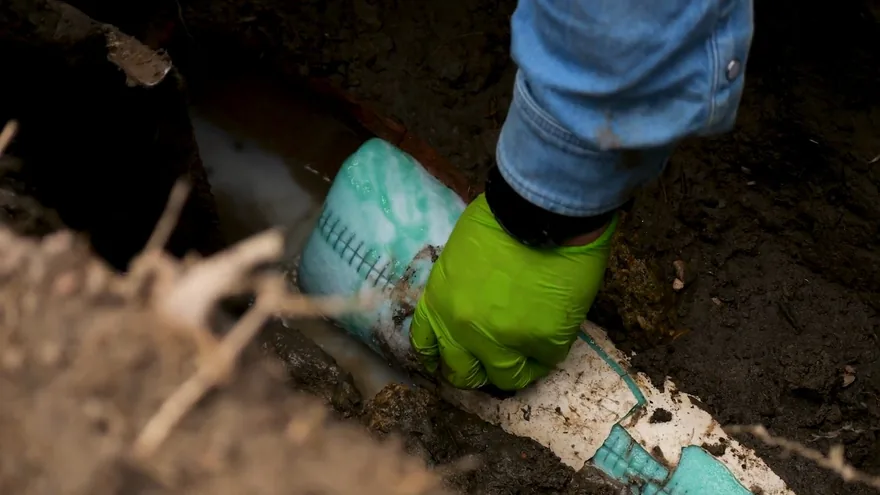
Digging a trench or lining the pipe: the choice in plain terms
Trenchless repair fixes a damaged pipe from the inside, or replaces it with a path that needs far less digging. Open-trench repair digs up the pipe along its length. Each has a place, and the right one depends on the pipe, the damage and what sits above it.
| Compare | Trenchless lining | Open trench |
|---|---|---|
| Digging | Usually one or two access points | A trench along the line |
| Yard, driveway and landscaping | Mostly left in place | Cut or removed, then restored |
| Good fit | A pipe that is cracked or rooted but still in a continuous line | A collapsed, badly offset or crushed pipe |
| Limits | Needs a clear, cleaned pipe and a camera first | More disruption, more restoration |
| Questions to ask | What did the camera show, and will cleaning come first? | How deep, how long and what will be restored? |
Neither is better in every case. If a plumber says one method is always the answer, ask why. A camera inspection should drive the choice; see how camera inspection leads to repair for what the footage shows.
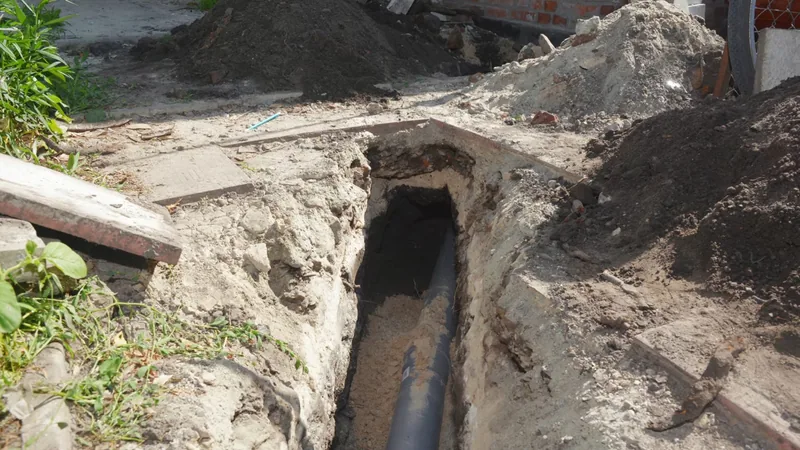
How a pipe lining job works
Lining, often called cured-in-place pipe, builds a new pipe inside the old one. The steps run in a set order, and each depends on the one before it.
- A camera inspection maps the line and confirms it is a candidate for lining.
- The line is cleaned so that the liner can bond to the pipe wall, and roots and scale are removed.
- A flexible liner soaked in resin is pulled or inverted into the pipe.
- The liner is expanded against the pipe wall and cured, with heat, steam or light.
- Branch connections are reopened, and the line is cleared at each opening.
- A final camera pass checks that the liner is smooth and the connections are clear.
Ask how long the curing takes and when the line is usable again. A sewer line out of service is a big problem in an occupied home, so ask for the schedule in writing.
Plan for the household as well. Ask whether you will have a working toilet and drain during the job, where waste goes in the meantime and whether a temporary arrangement is part of the quote. Those details are easy to skip and hard to fix once the line is out of service.
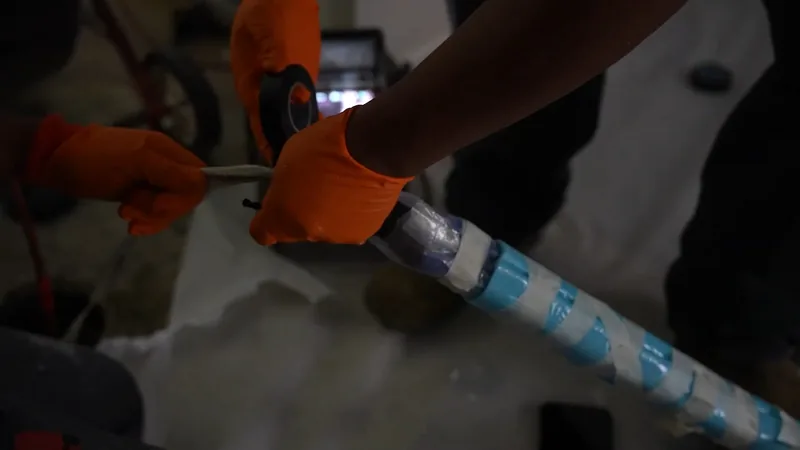
When lining is not the right answer
Lining only works if the pipe is intact enough to hold the liner. A line that has collapsed, has a sharp offset or has a deep belly full of standing water usually cannot be lined without more work first. A plumber who recommends lining without a camera pass has not checked.
Pipe size and layout matter too. Many bends, a change in pipe diameter or a connection that cannot be reached can limit what lining can do. Ask the plumber what could prevent the job, and what the fallback is if it does.
If the camera shows a problem lining cannot solve, a good plumber will say so and move to another option. A job that is quoted before the line is inspected is a job quoted on a guess.
Cracked, rooted or sagging line and a yard you would rather keep?
Tell us what the camera or the plumber has shown you so far, and we will say whether a no-dig repair is worth pricing.
Pipe bursting and other no-dig replacement
Pipe bursting replaces an old line by pulling a new pipe through the old path while the old pipe is broken apart in place. It is a replacement and not a repair, and it needs an entry pit and an exit pit.
It can suit a line that is too damaged to line. Ask whether the plumber offers it, what the pits will be and where, and how connections to the house and the main will be made.
These methods also reach beyond sewers. Rerouting a leaking supply line under a floor can sometimes avoid breaking a slab; see rerouting a leak under a slab for how the options compare.
Who pays, the permit office and what to check before it starts
The building sewer is the owner's to maintain, according to Mission Springs Water District's Title 6, so a lining job on your lateral is your cost and your decision. If you rent, the owner decides. Call the district at (760) 329-6448 if you are unsure where your lateral ends and the public line begins.
Even a no-dig job needs access, and digging that access pit needs a call to 811 at least two working days ahead. Ask the plumber who places the ticket. Building permits in Desert Hot Springs are issued by the City's Building and Safety Division, (760) 329-6411.
Warranty, documentation and what to keep
A liner is a long-term repair, so the paperwork matters. Ask for the warranty terms in writing, including what is covered, how long and whether it passes to the next owner if you sell.
Keep the camera recording from before and after the job, along with the plumber's report and any inspection record. A later plumber, a buyer or an insurer may ask to see them.
Questions to ask before you agree to a no-dig repair
A short list will tell you whether the plumber has done the groundwork:
- What did the camera show, and can I see the recording?
- Is my pipe suited to lining, bursting or neither?
- Will the line be cleaned first, and how?
- Where will the access points be, and how will they be restored?
- What is the warranty, in writing?
- License details are available on request before work begins; can I have yours?
Trenchless repair questions, answered
Is trenchless sewer repair always cheaper than digging?
Not always. It can reduce digging and restoration, but the cost depends on the pipe, the damage and the access needed. Ask for quotes that spell out what each method includes, so that you can compare them fairly.
Can any sewer pipe be lined?
No. The pipe has to be continuous and clear enough to hold a liner. A collapsed or badly offset section usually needs a different repair, which is why a camera inspection comes first.
Want a sewer fix that leaves the yard alone? Call to talk it through
Tell us what the camera showed and what the line is doing, and we will say whether lining is worth pricing.